Some guiding questions (Facing History and Ourselves, n.d.) to keep in mind while reading this blog:
- What is identity?
- What factors help shape who we are?
- How do our names relate to our identities?
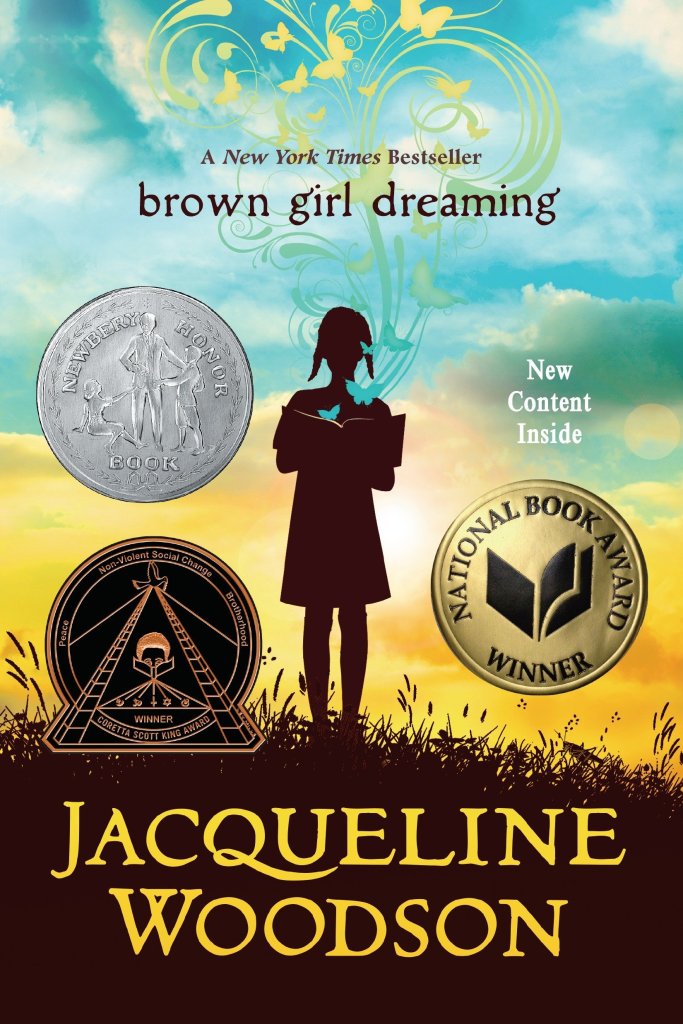
In brown girl dreaming (2016) by Jacqueline Woodson, Woodson shares poems about her childhood and growing up as an African American in the 1960s and 70s. From the beginning of “february 12, 1963,” readers are drawn in by Woodson’s gorgeous writing. The first seven pages of the New York Times bestseller demonstrate an exploration of identity for Woodson: when and where she was born, the context surrounding her birth, and how she got her name. She goes on to describe the people and histories that shaped who she is, but these first seven pages immediately allow the reader to think about the importance of her name, how her name connects her to her family and the historical, cultural, or ethnic stories connected to our names (Frye, n.d.). One of my favorite sections of verse from Woodson’s poem “a girl named jack” (p. 6-7) says,
Name a girl Jack, my father said,
and she can't help but
grow up strong.
Raise her right, my father said,
and she'll make that name her own.
Name a girl Jack
and people will look at her twice, my father said.
Although Woodson was ultimately named Jacqueline and nicknamed Jackie instead of Jack (to her father’s dismay), what I love about these lines is that you can truly get a sense of how much a name can mean to a person. Woodson’s father Jack clearly holds a strong connection between his name and his identity, which he wanted to pass on to his daughter. When reading this text with students, have them focus on the following questions (Frye, n.d.):
- What does the author tell us about names in this piece?
- How/why are the names important?
- How did Jacqueline get her name? What are stories connected to the name?
- Are there any cultural markers connected to the name? If so, how do they shape the story?
- How does Jacqueline feel about her name? How does the author write about this? Do these feelings change with time?
- Does the passage reveal how the name shapes the character’s identity? Explain.
- How does the author use voice: child’s voice, adult-looking-back-in-time voice, adolescent’s voice, third-person omniscient, etc.?
- Does the author use writer’s craft and vocabulary effectively? How?
In response to reading “a girl named jack,” I have thought about these questions listed above as well as what my name means to me, and created this entry in my Writer’s Notebook about my first name, Grace:
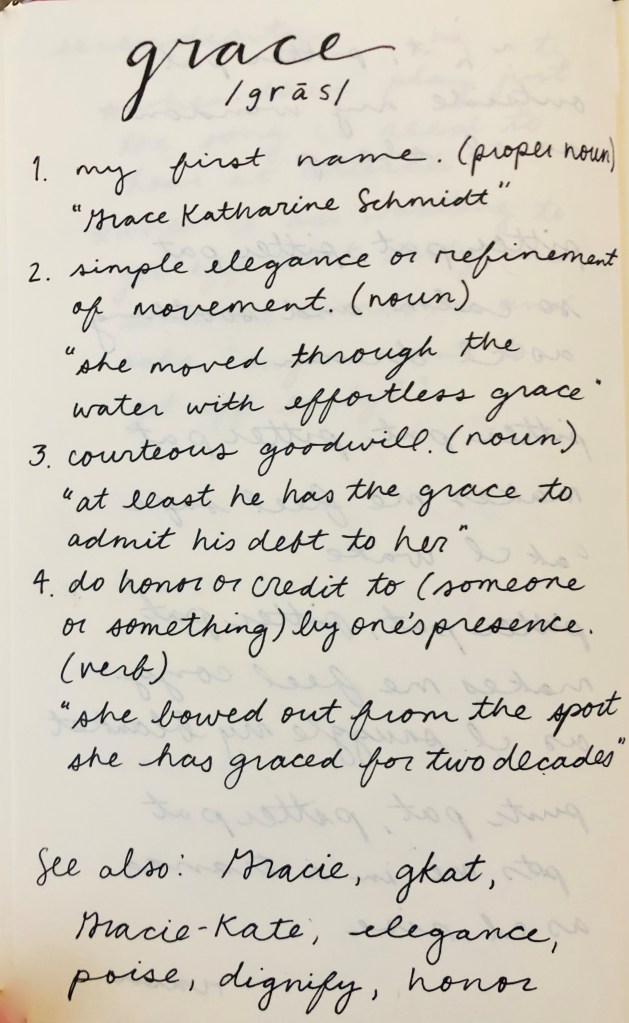
This entry, to me, is only a start in thinking about all the meaning that my name possesses. I am excited to continue my journey in writing about my name!
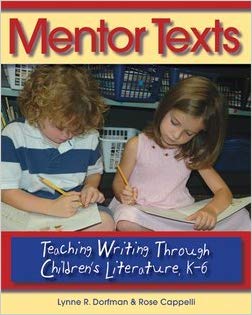
In addition to helping students think about their names in relation to their identities, doing a read-aloud of pages 1-7 from brown girl dreaming might trigger students’ thoughts, unlock memories, and remind children that the things they have to say are important and interesting. In chapter 2 of Mentor Texts: Teaching Writing Through Children’s Literature, K-6 (2007), Dorfman and Cappelli encourage teachers to use read-alouds like brown girl dreaming to inspire those thoughts, feelings, and memories that children have. They say, “Writers should always have a place where they can record their writing ideas so they are not lost when it comes time for writing workshop” (p. 21). The use of a mentor text is not only to mimic the techniques of good writers, but also to be inspired by them and to write stories that come from the “treasure chest of opportunities” (p. 38) that a mentor text provides.
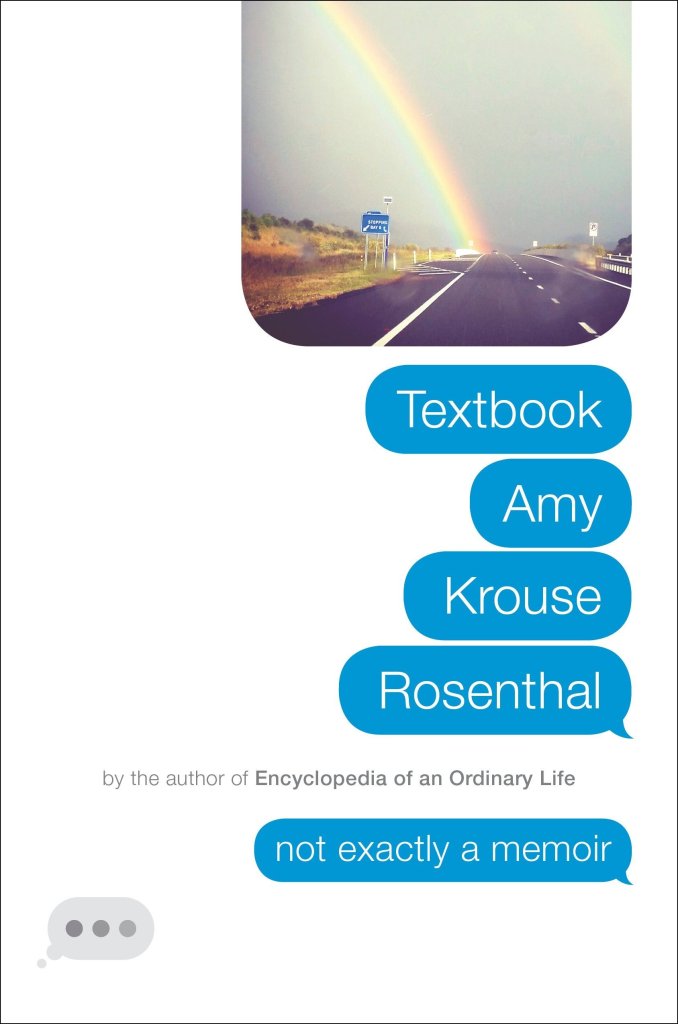
Reading from the unit “Social Studies” in Textbook Amy Krouse Rosenthal (2016) in conjunction with brown girl dreaming and thinking about identity is quite perfect. In this unit, Rosenthal writes about different “social studies” she has examined over the years: why she has left an individual honey packet peeking out from under the passenger seat of her car (p. 63), the “two stages of life” of whether or not one throws out the empty box after taking the last granola bar (p. 66-67), the mundane highs and lows of life (p. 79), or the time delay between experiencing some sort of bewilderment and coming to a resolution about said bewilderment (p. 88). Without explicitly stating so, Rosenthal is inspecting social oddities and the factors that shape a person. Even if I don’t relate deeply to one of Rosenthal’s entries, I can see myself within her studies and form my own connections, and I think any reader could do the same. Below I have included one such connection triggered by reading Rosenthal’s study on page 91, and the resulting entry in my Writer’s Notebook:
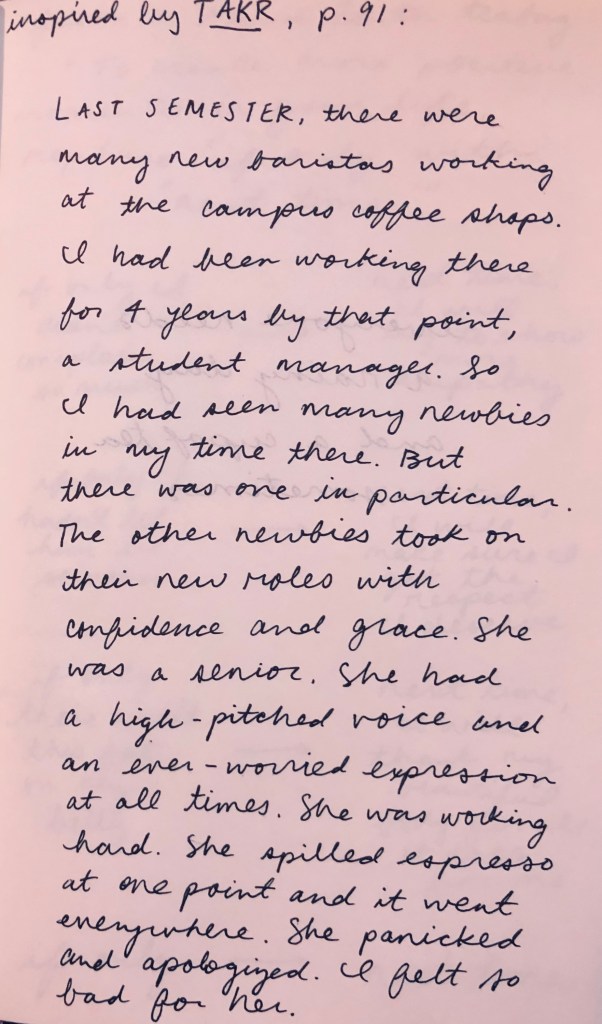
What is great about all of these readings is that doing so sparks thoughts, ideas, and memories to write about, just as Dorfman and Cappelli suggest. Although Textbook Amy Krouse Rosenthal isn’t written as a text for children, doing a read-aloud of appropriate excerpts from the book or reading brown girl dreaming are excellent mentor texts to spark those thoughts and memories. They invite readers to become writers, and create a sense of urgency for students to draft entries in their own Writer’s Notebooks. My last blog entry includes examples of such invitations. Showing students their stories are interesting and valued helps them feel invited and encouraged to record those stories.
References
Dorfman, L. R., & Cappelli, R. (2007). Chapter 2: Digging for treasure: Discovering personal stories by connecting with read-alouds. In In Mentor texts: Teaching writing through children's literature, K-6 (pp. 19-46). Portland, ME: Stenhouse Publishers.
Facing History and Ourselves. (n.d.). Lesson: Identity and names. Retrieved from https://www.facinghistory.org/resource-library/my-part-story-exploring-identity-united-states/identity-and-names
Frye, E. (n.d.). Writer’s notebook: History of a name-mini-lesson.
Rosenthal, A. K. (2016). Textbook Amy Krouse Rosenthal. New York, NY: Penguin Random House.
Woodson, J. (2016). Brown Girl Dreaming (2nd ed.). New York, NY: Puffin Books.
 Ms. Schmidt's Reading Blog